Evaluating the Clinical Evidence Behind Point-of-Care Infectious Disease Testing
Open Access Government has published an item titled “Bringing infectious disease diagnostics closer to patients,” but the available information contains only its headline, not the article’s…
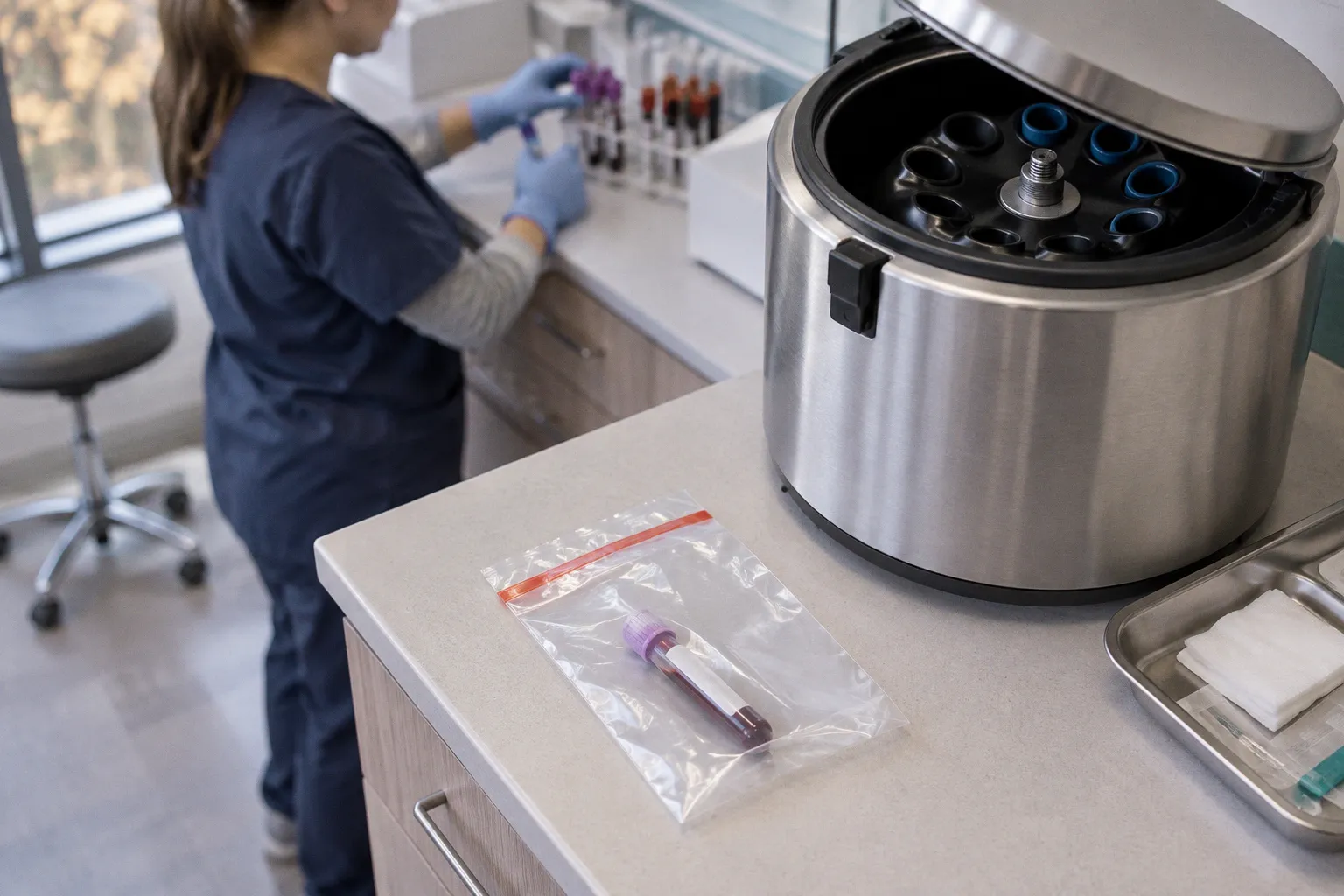
Open Access Government has published an item titled “Bringing infectious disease diagnostics closer to patients,” but the available information contains only its headline, not the article’s underlying evidence or operational details. The subject is relevant to clinicians because the location and delivery of diagnostic testing can matter in practice; the headline alone, however, does not establish what has changed or whether any approach improves clinical outcomes.
The headline is not an efficacy finding
No study design, diagnostic method, population, comparator, endpoint, or result is available in the material reviewed. It is therefore not possible to assess sensitivity or specificity, turnaround time, clinical utility, or whether testing closer to patients changes treatment decisions. Nor can the headline support a conclusion about access, cost, safety, or the quality of care.
That distinction is not procedural fussiness. A claim about bringing diagnostics “closer” could refer to different settings or delivery models, each requiring its own evidence and implementation assessment. Without the article text, identifying which model is involved would be speculation.
What clinicians should verify
Before applying any reported development in practice, readers need the primary details: which infection and test are discussed; who was tested and where; how performance was measured; and whether results were compared with an appropriate reference standard. For any proposed change in workflow, the practical questions also include who performs and interprets the test, what follow-up is required, and how results affect decisions.
The current record confirms publication of a headline, not a clinical recommendation. Until the underlying article and supporting evidence are available, no conclusion about diagnostic efficacy or suitability for a particular patient pathway is warranted.